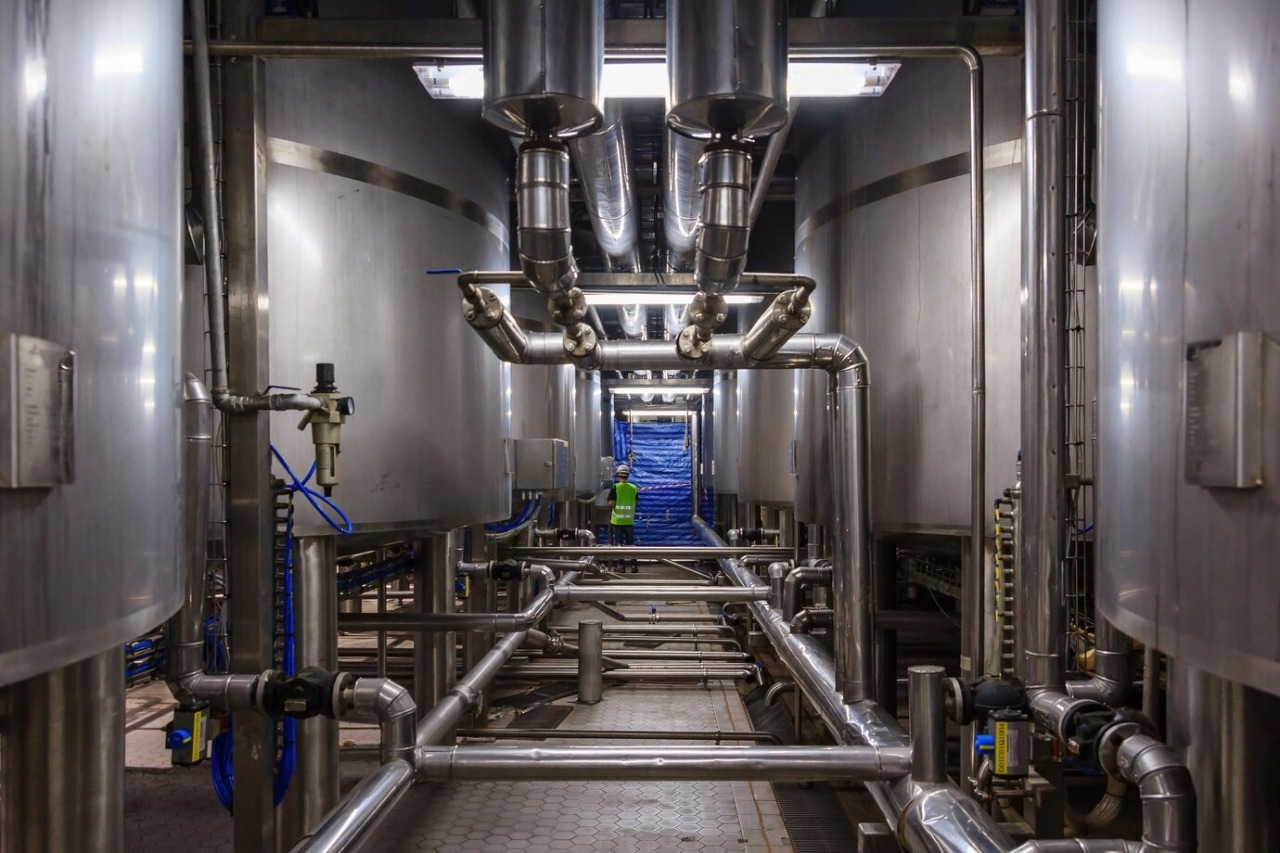
Industrial cooling systems used in beverage production facilities are critical for both preserving product quality and ensuring that production processes proceed uninterruptedly and efficiently. Process cooling systems are needed in many stages such as post-pasteurization cooling, carbonization, pre-filling temperature control and equipment cooling.
Cooling technologies used in these facilities directly affect not only product quality but also energy efficiency, environmental awareness and the overall operational sustainability of the facility. In particular, ammonia (NH₃), carbon dioxide (CO₂) and CO₂/NH₃ cascade systems are among the environmentally friendly and efficient solutions that have come to the fore in recent years.
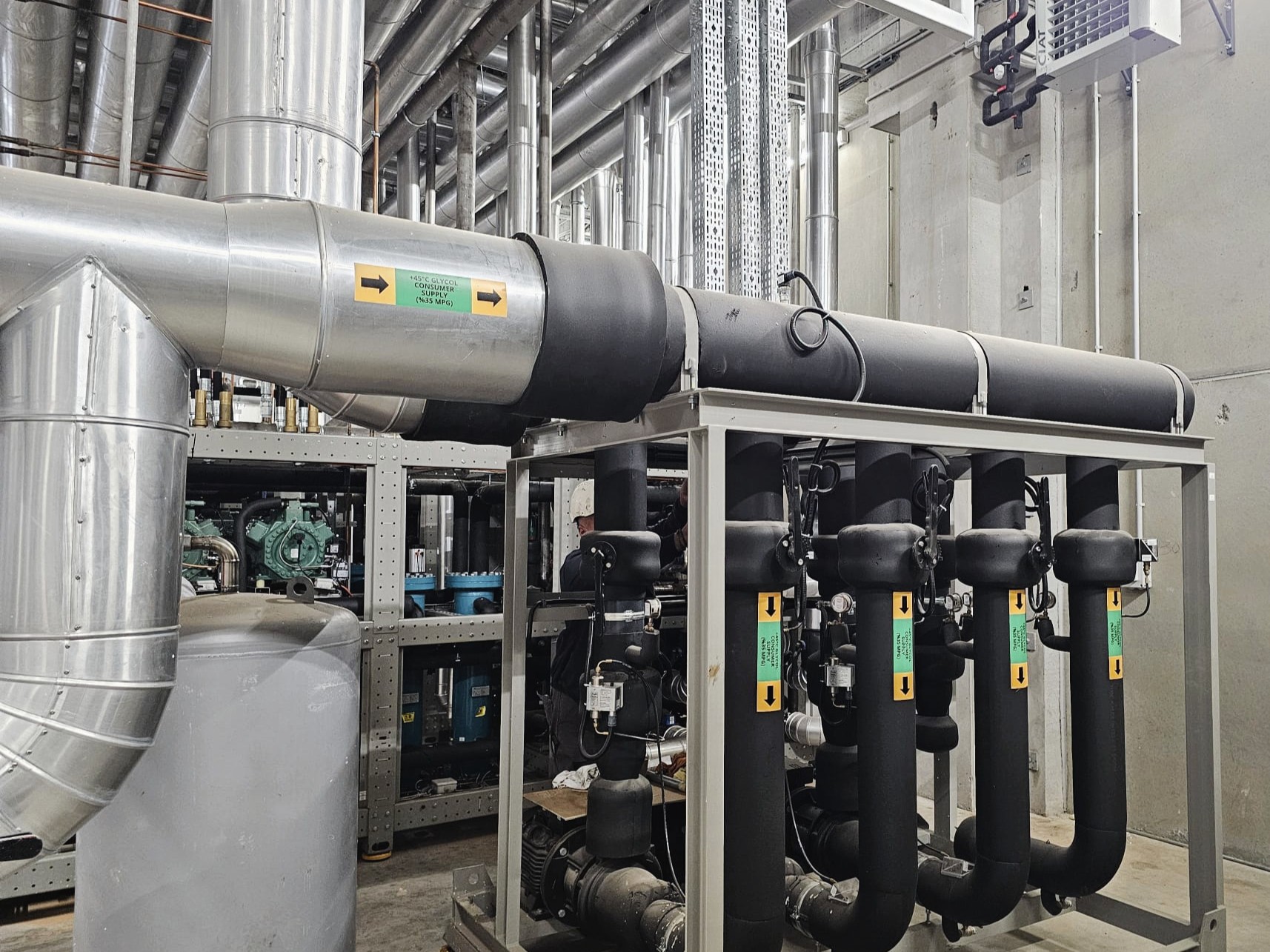
Glycol Cooling SystemsGlycol systems that provide indirect cooling allow temperature control without contact with the product. Advantages:
|  |
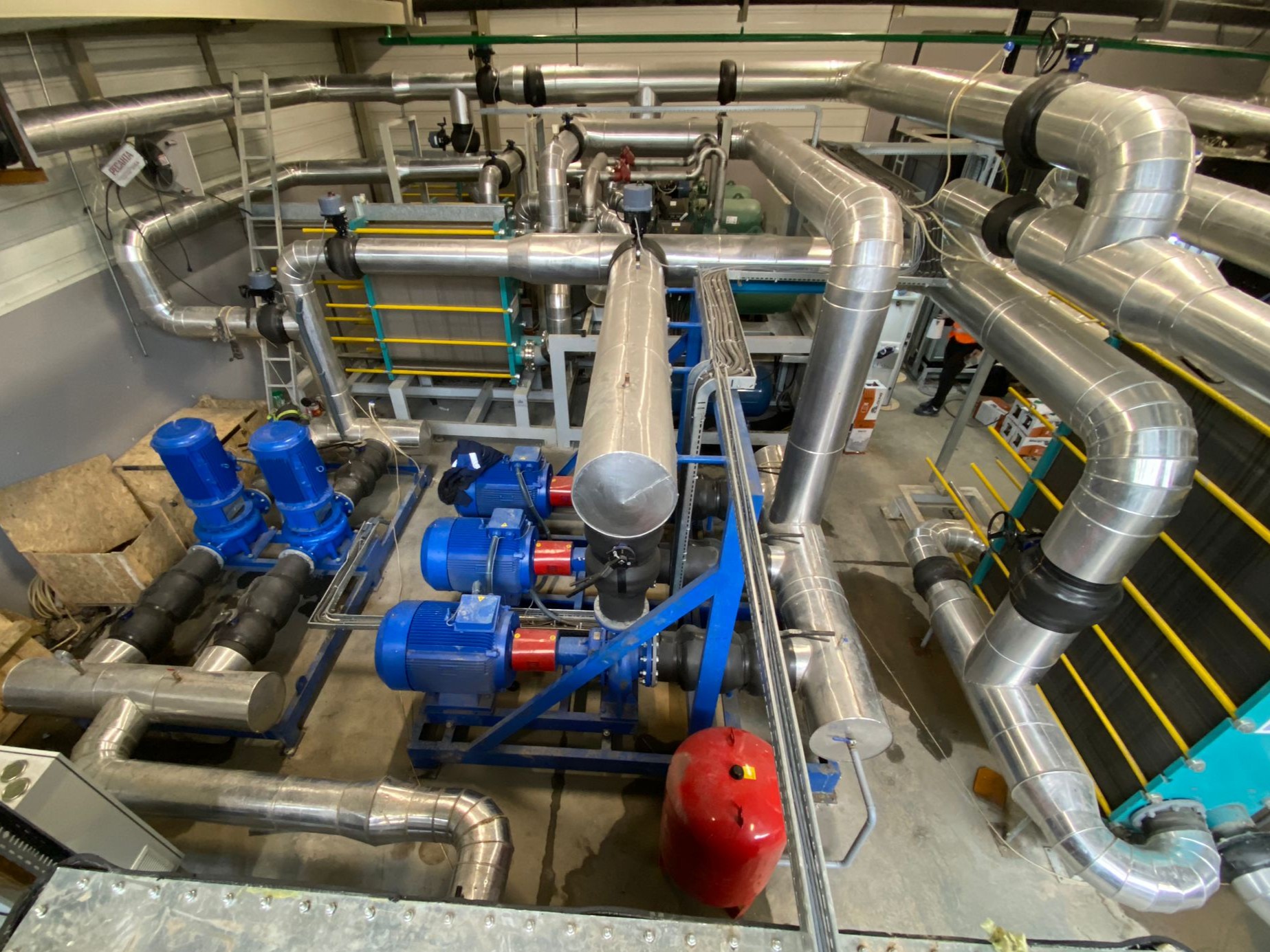
Chiller Systems (Air- or Water-Cooled)Chillers are used to maintain process water or glycol at the desired temperature, supporting applications such as filling lines and post-pasteurization cooling. Advantages:
|  |
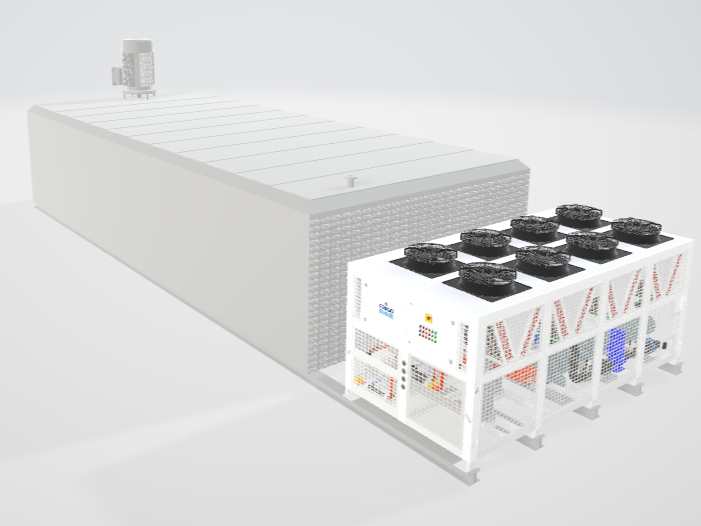
Ice Bank SystemsIce bank systems contribute to energy efficiency by reducing electricity consumption during off-peak hours, typically at night. Advantages:
|  |
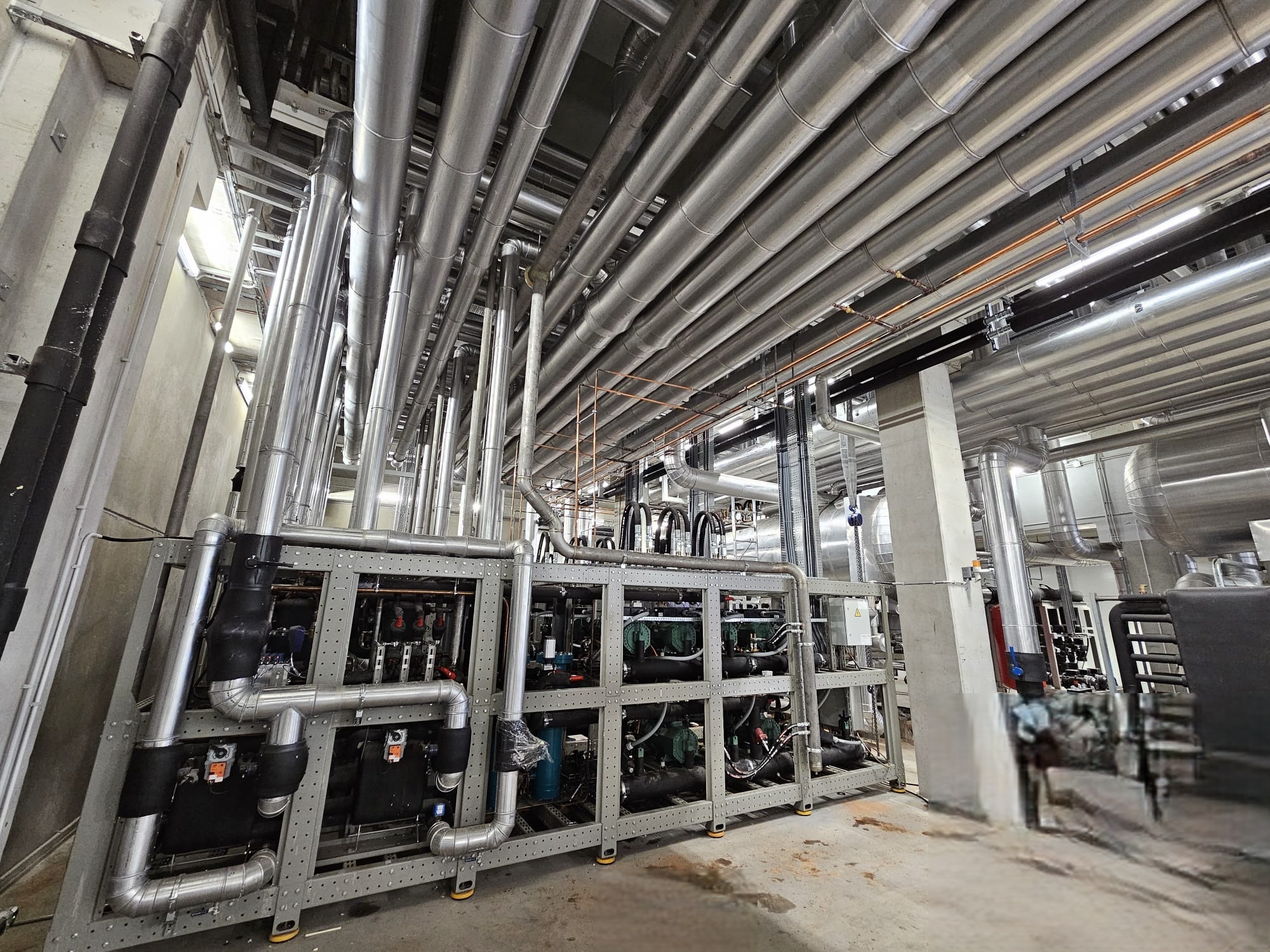
CO₂ (R-744) Refrigeration SystemsCO₂ is widely preferred for pre-filling cooling and product line cooling due to its high heat transfer capacity and environmentally friendly properties. Advantages:
|  |
Ammonia (NH₃) Refrigeration SystemsAdvantages | 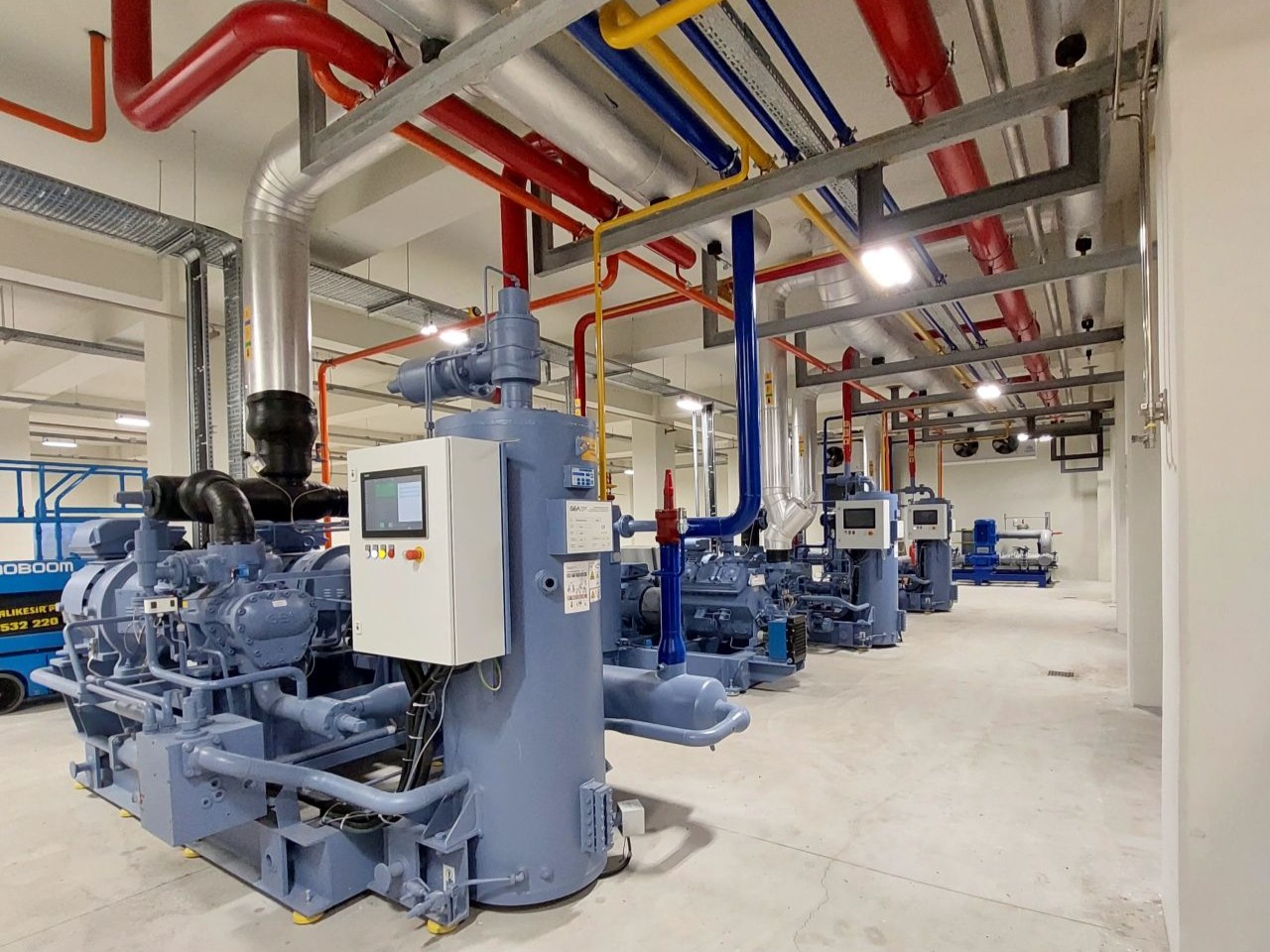 |
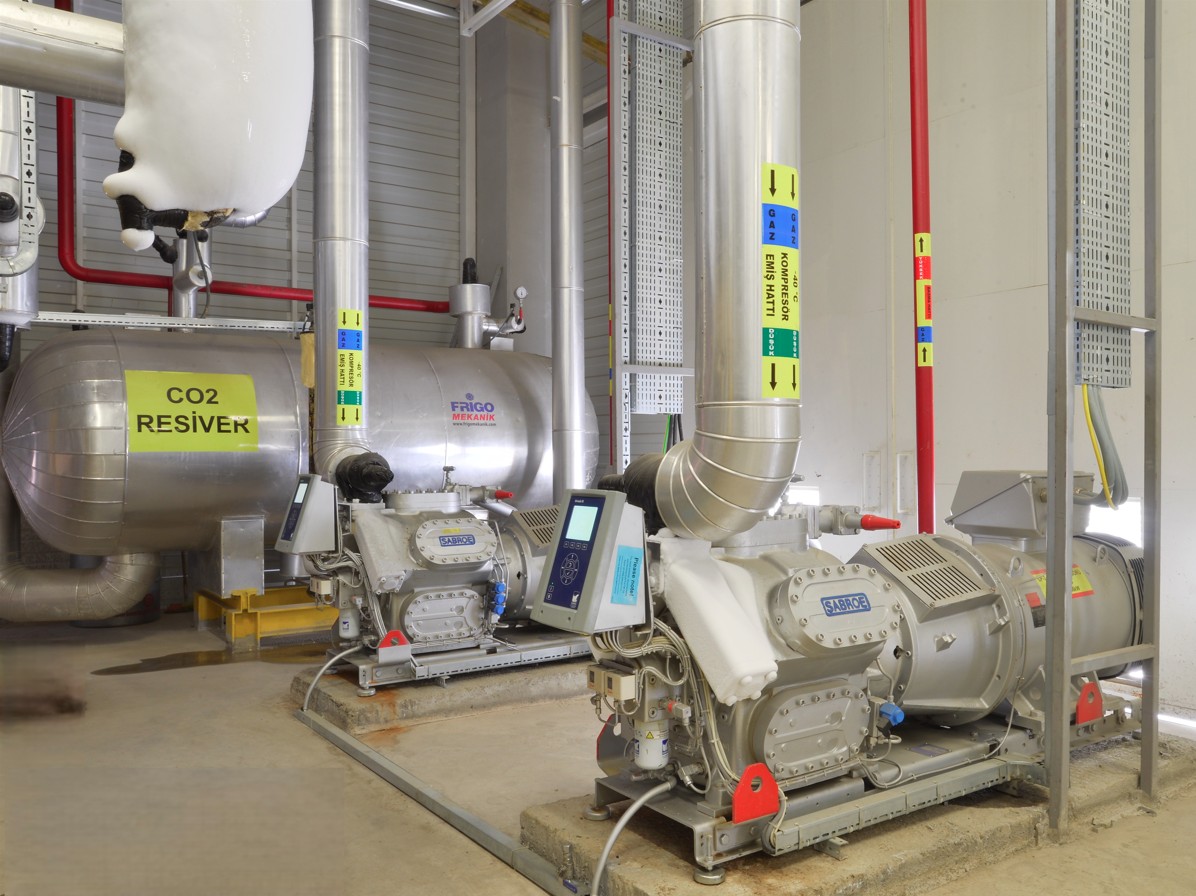
CO₂/NH₃ Cascade Refrigeration SystemsThese systems combine two natural refrigerants to provide an environmentally friendly and energy-efficient solution. Advantages:
|  |