First, the location and capacity of the planned cold storage facility must be determined. Factors such as the production volume of the product to be stored, market conditions, and economic value play a role in this determination.
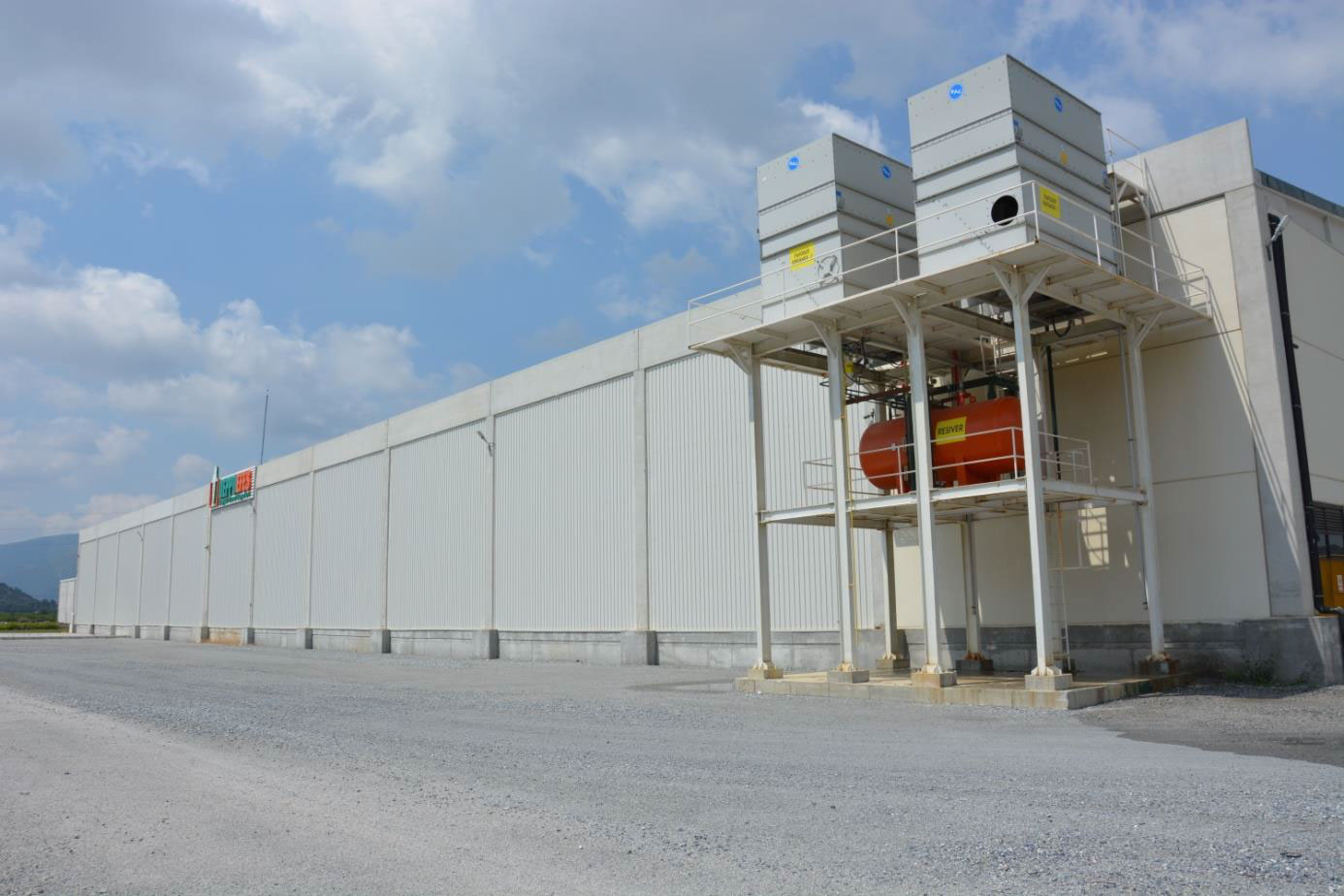
For capacity determination, apples are used as a basis, calculated at 200±10 kg per cubic meter.
The following table indicates the product quantities per cubic meter of storage volume:
| Types | Product Quantity (kg) |
| Apple (Stored in Boxes) | 200 |
| Pear (Stored in Boxes) | 230 |
| Potatoes (Stored in Piles) | 650 |
| Potatoes (Stored in Boxes) | 300 |
| Frozen Products | 400-900 |
| Fruit Juices and Pulp | 600-750 |
When determining the capacity of the cold storage facility, the type of refrigerant used also affects the cost. For facilities with large capacities and long-term storage, ammonia (NH3) and carbon dioxide (CO2) are preferred, while systems using refrigerants like Freon may be more suitable for facilities with a capacity of 2000 tons or smaller.
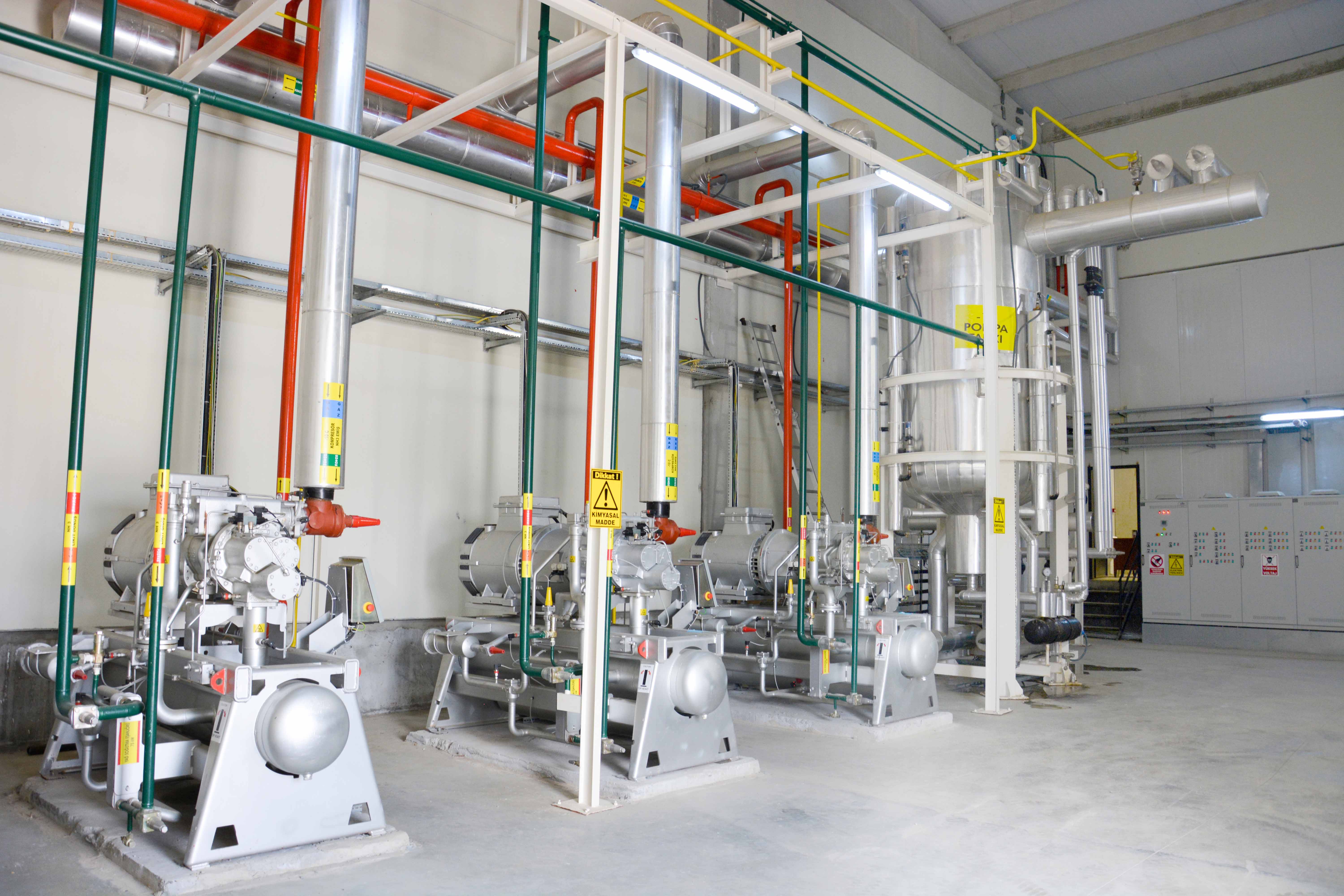
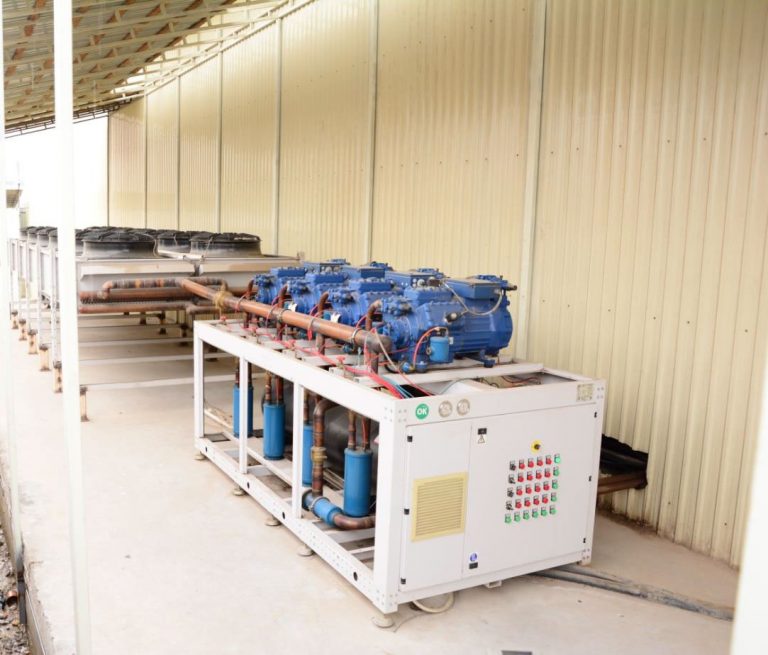
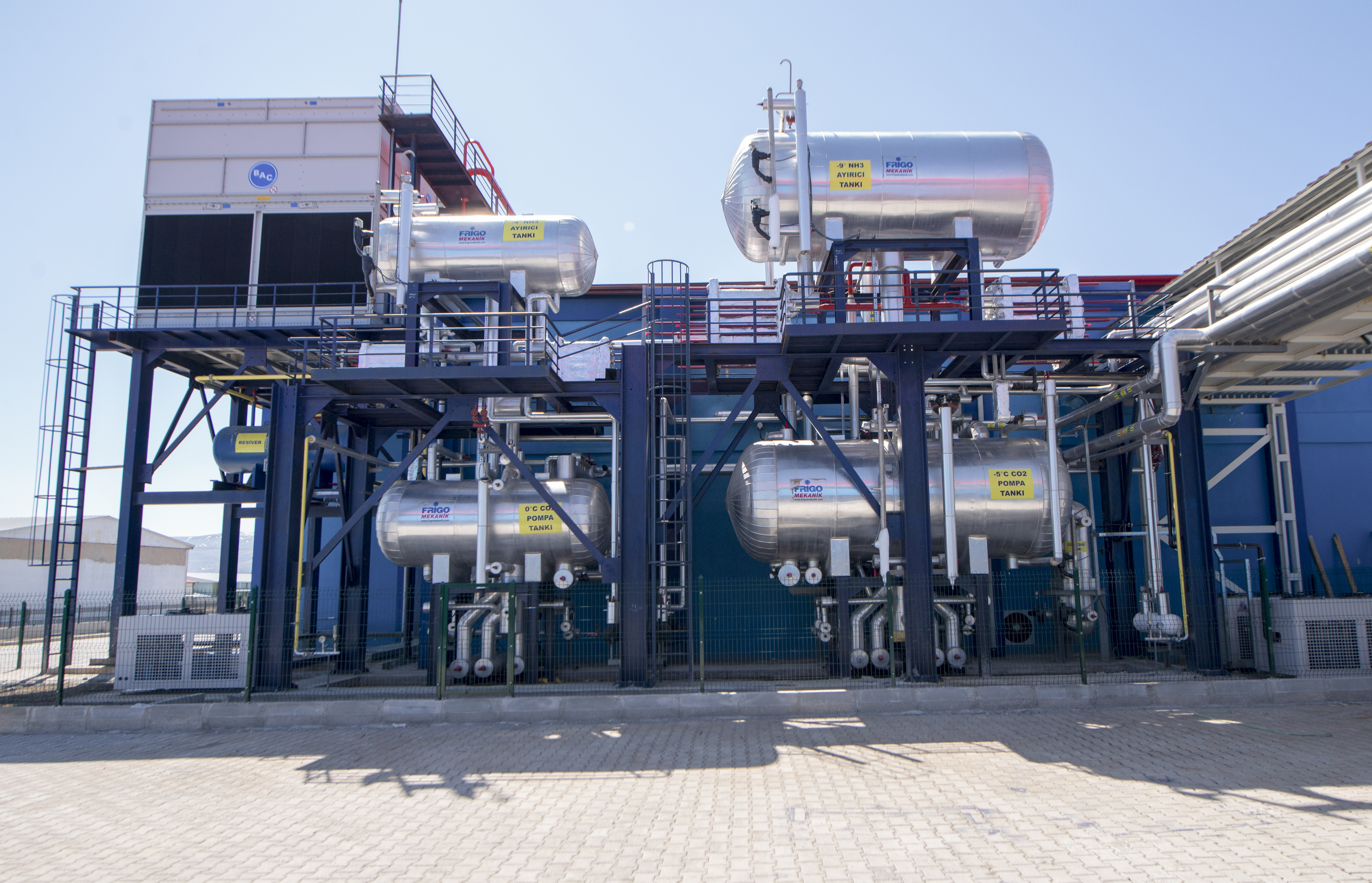
When calculating the height of a food cold storage warehouse, the stacking height of a pallet and the number of pallets to be stacked on top should be considered. In the domestic market, typically pallets are stacked up to a height of 166 cm, while in the international market, this can reach up to 200 cm. Based on these stacking heights, the warehouse heights can reach up to 8.5-9 meters.
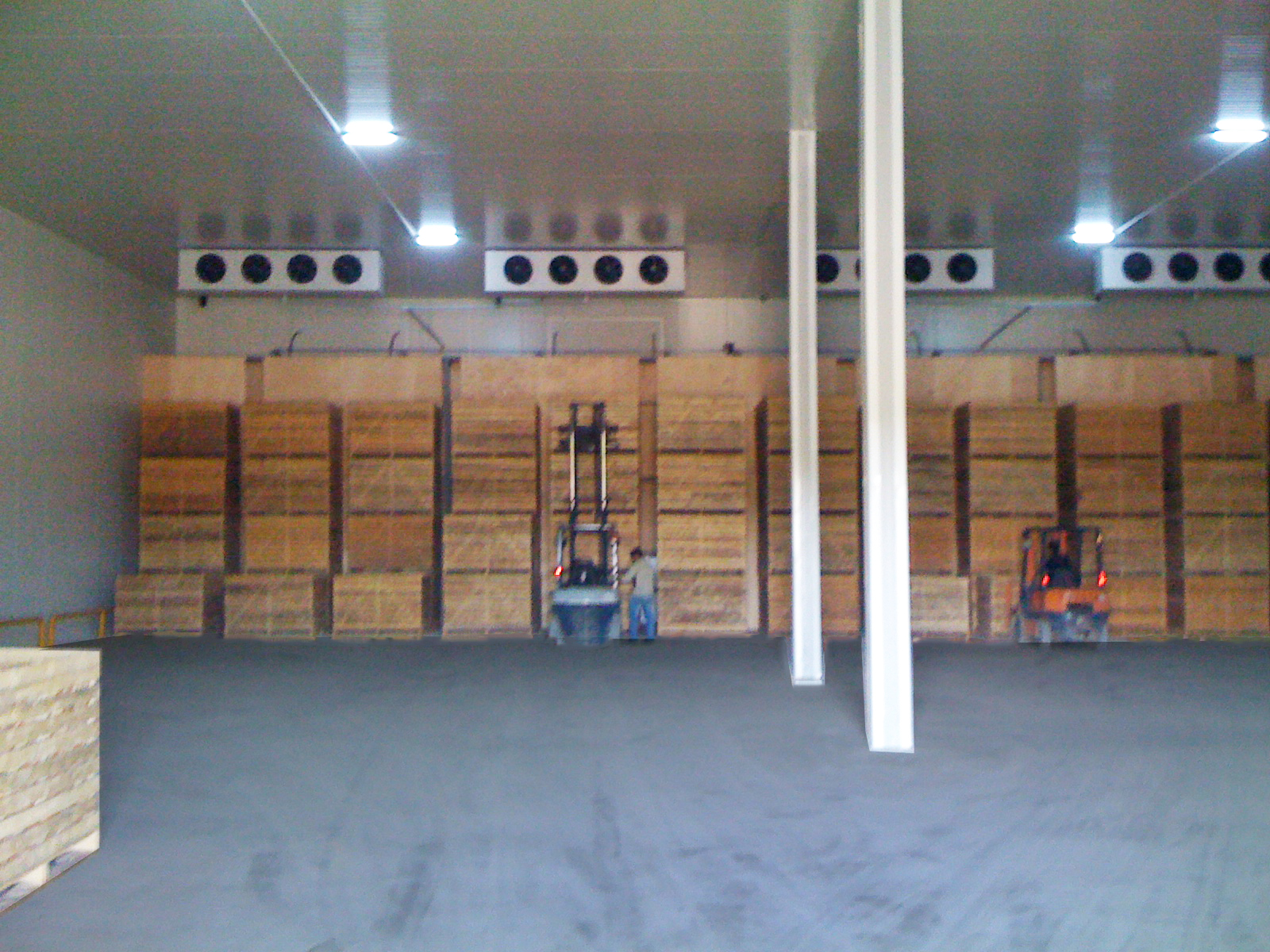
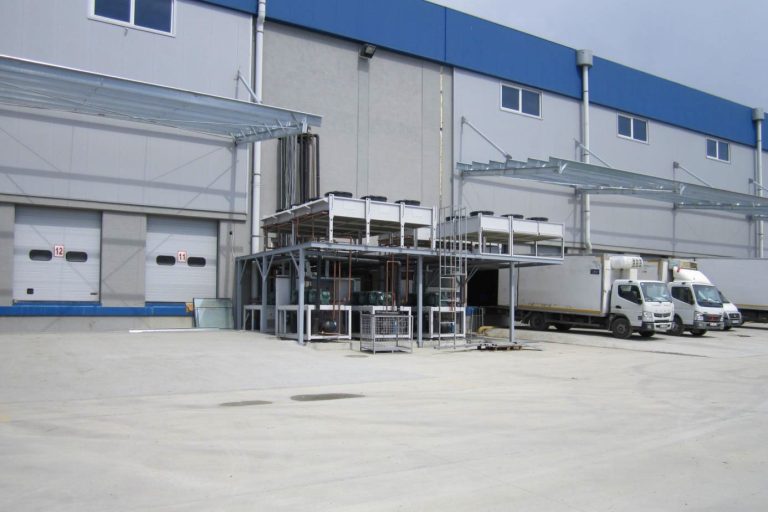
The cold storage warehouse should be established in locations with good transportation accessibility. Areas that provide essential services such as electricity, water, natural gas, telephone, and internet should be selected. A three-phase electrical line should be available as required by some equipment. A generator must be present for the critical points of the facility.
Particularly in facilities using water-cooled condensers and those with packaging areas, the water demand should be considered. A proper soil survey should be conducted for the area where the cold storage will be built, and there should be no drainage issues.
When selecting a location, it should be anticipated that the business may need to expand in the future, and space should be provided for trucks and trailers to enter, exit, and maneuver comfortably.
Fixed Expenses:
Variable Expenses:
The share of fixed expenses in total expenses ranges from approximately 56% to 62%, while variable expenses make up 38% to 44% of the total expenses.
Among the variable expenses, electricity expenses take the largest share. In addition to these two expenses, losses in the stored products also increase operational expenses and determine the cost of the stored product..