1. Usage According to Design Parameters:
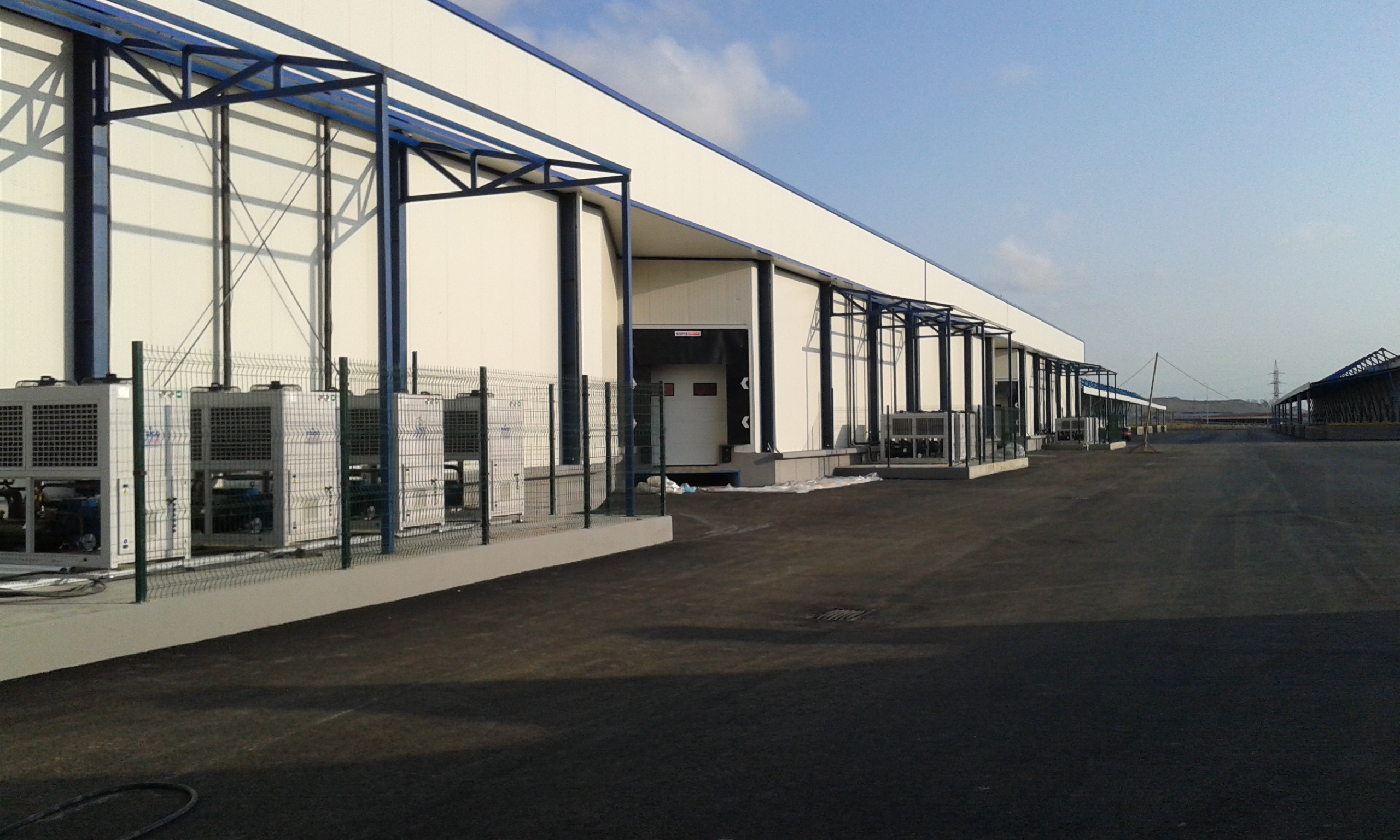
Rooms designed to operate between -5°C and +5°C should not be filled with damp or excessively hot materials.
Rooms operating within the temperature range of -10°C to -25°C should not be stocked with unfrozen products; this can damage the refrigeration system and lead to energy loss.

2. Proper Placement of Compressor and Condenser Units:
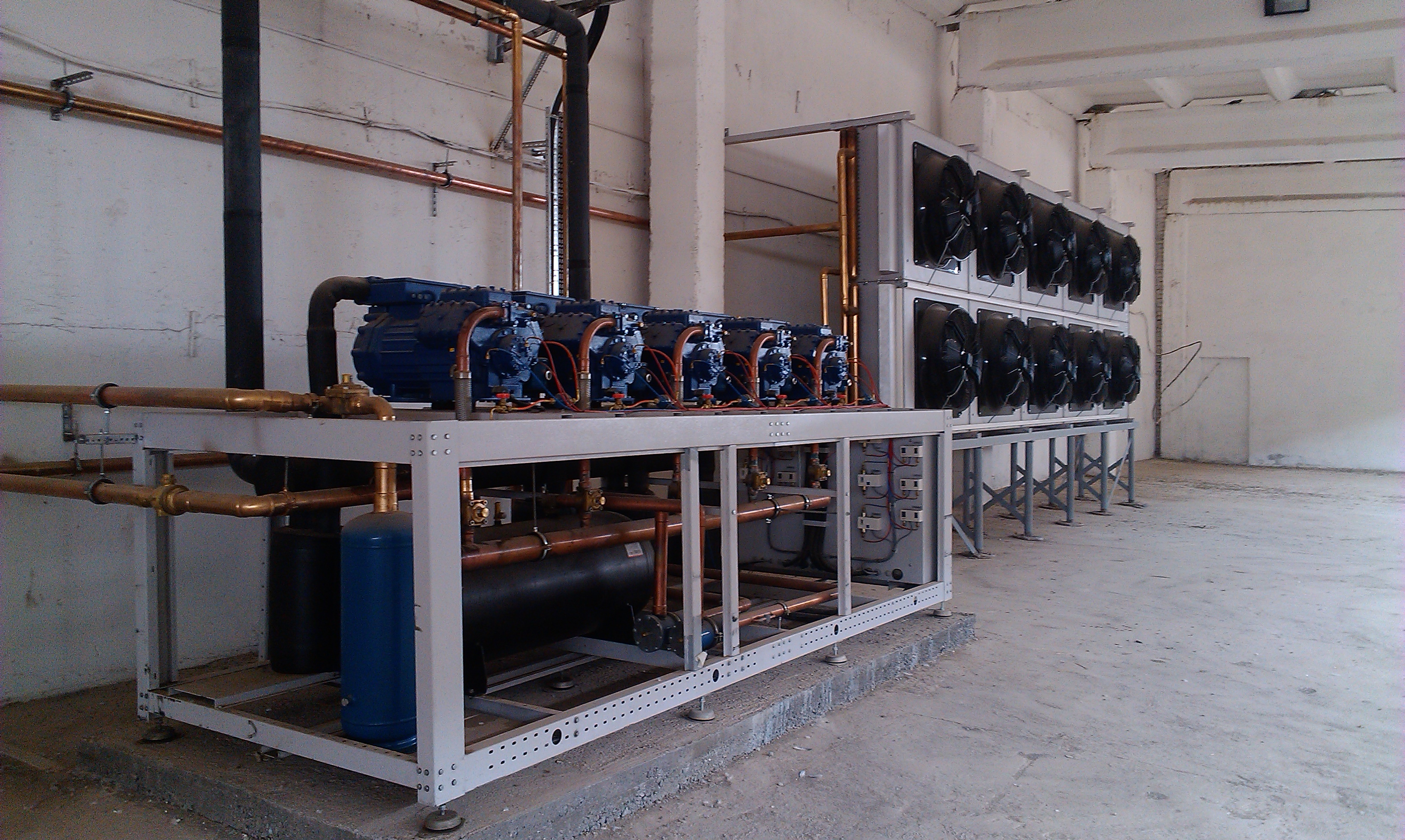
If the compressor and condenser units are located in an enclosed space, the area should be regularly ventilated
If the units are placed outdoors, appropriate protective measures should be taken to prevent direct exposure to sunlight.

3. Periodic Maintenance and Cleaning:
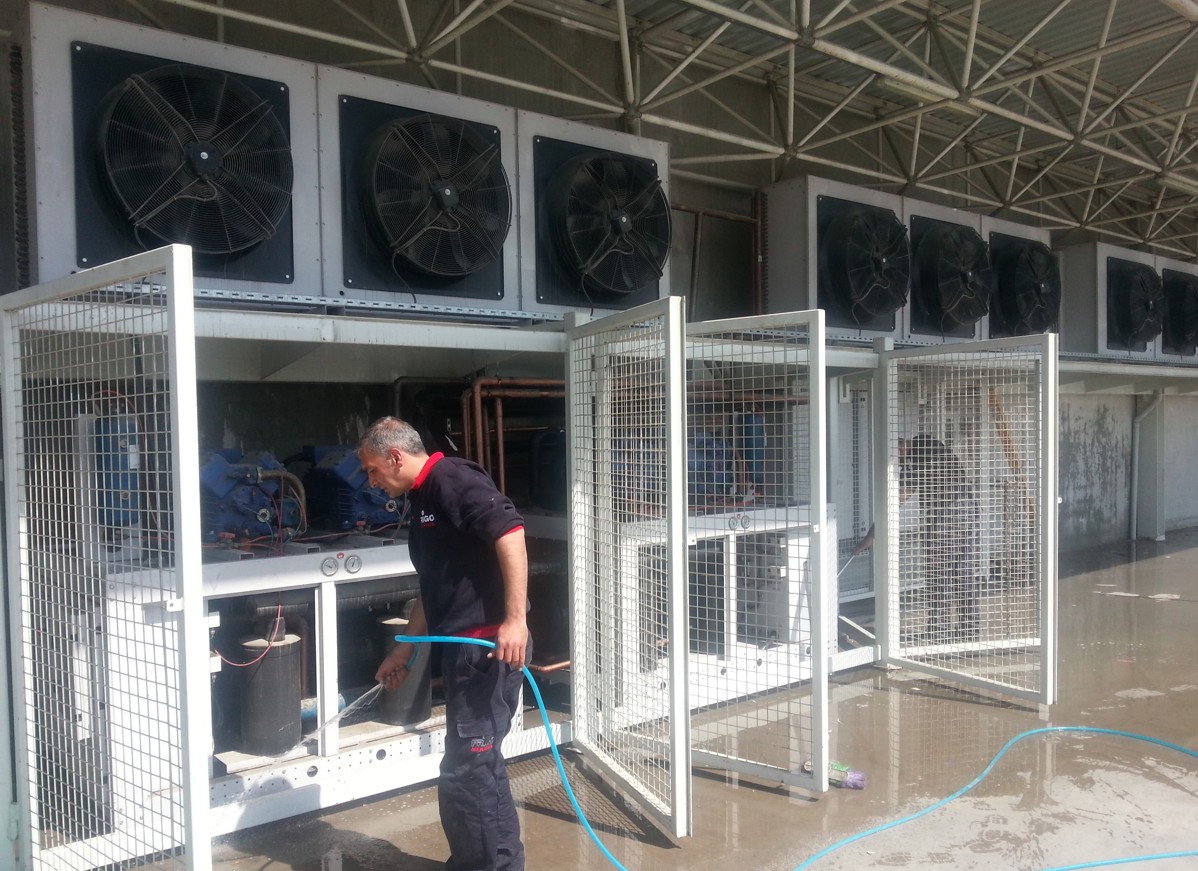
The condenser unit should be cleaned regularly, and its periodic maintenance should only be carried out by authorized technicians.
During cleaning, chemicals should not be used as they can damage the sensitive components of the system.
4. Attention to Fault Symptoms:
Devices operating louder than usual may be a sign of potential future malfunctions. In such cases, the device should be inspected by an authorized technician.
If devices cycle on and off at short intervals and fail to provide adequate cooling, there may be a refrigerant shortage in the system. In this case, intervention by an authorized technician is required.
5.Door and Sealing Inspections:
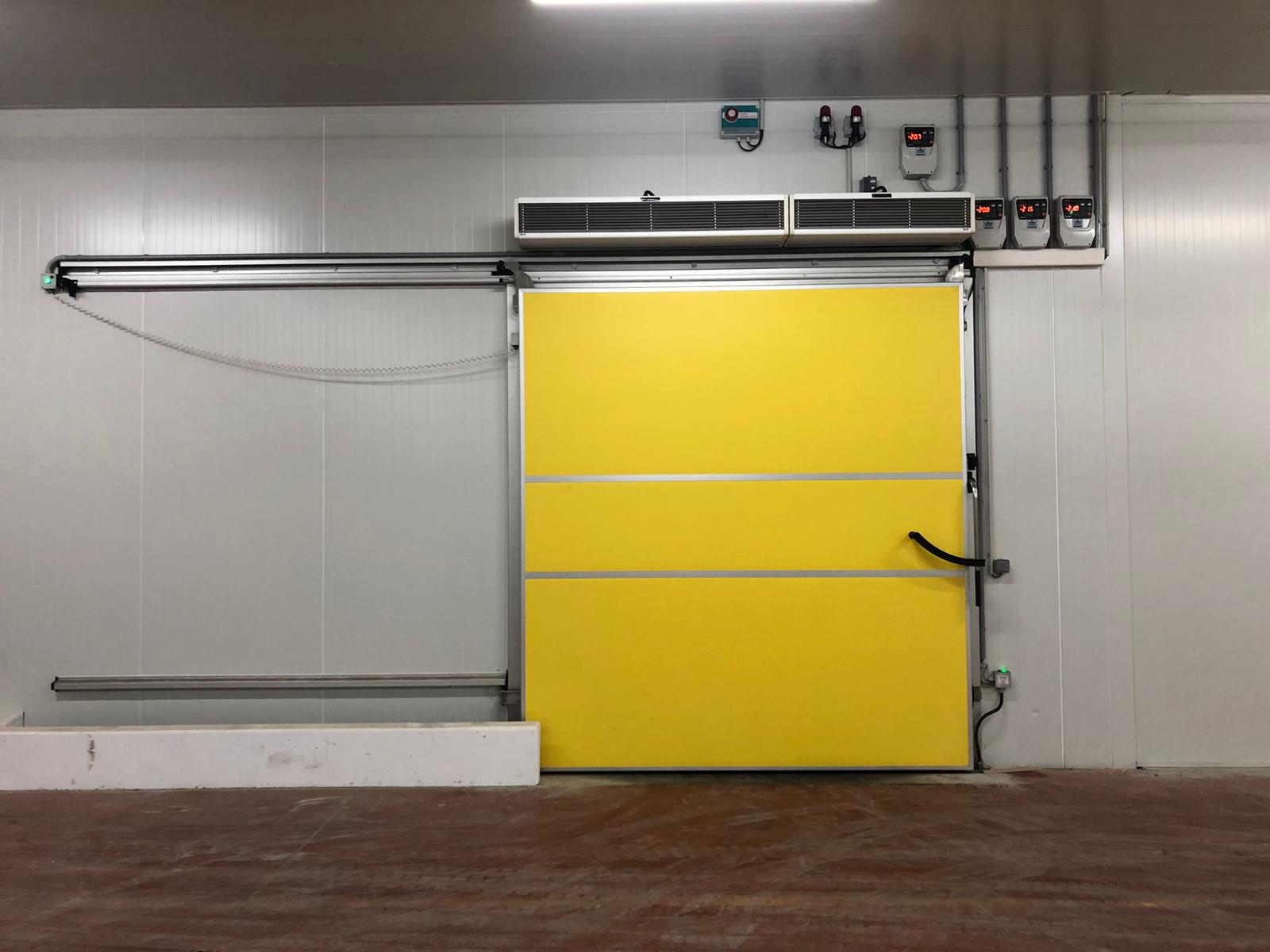
The rubber seals of cold room doors should be checked at regular intervals. Worn seals can lead to energy loss and temperature fluctuations.
6. Condition of the Air Cooler:
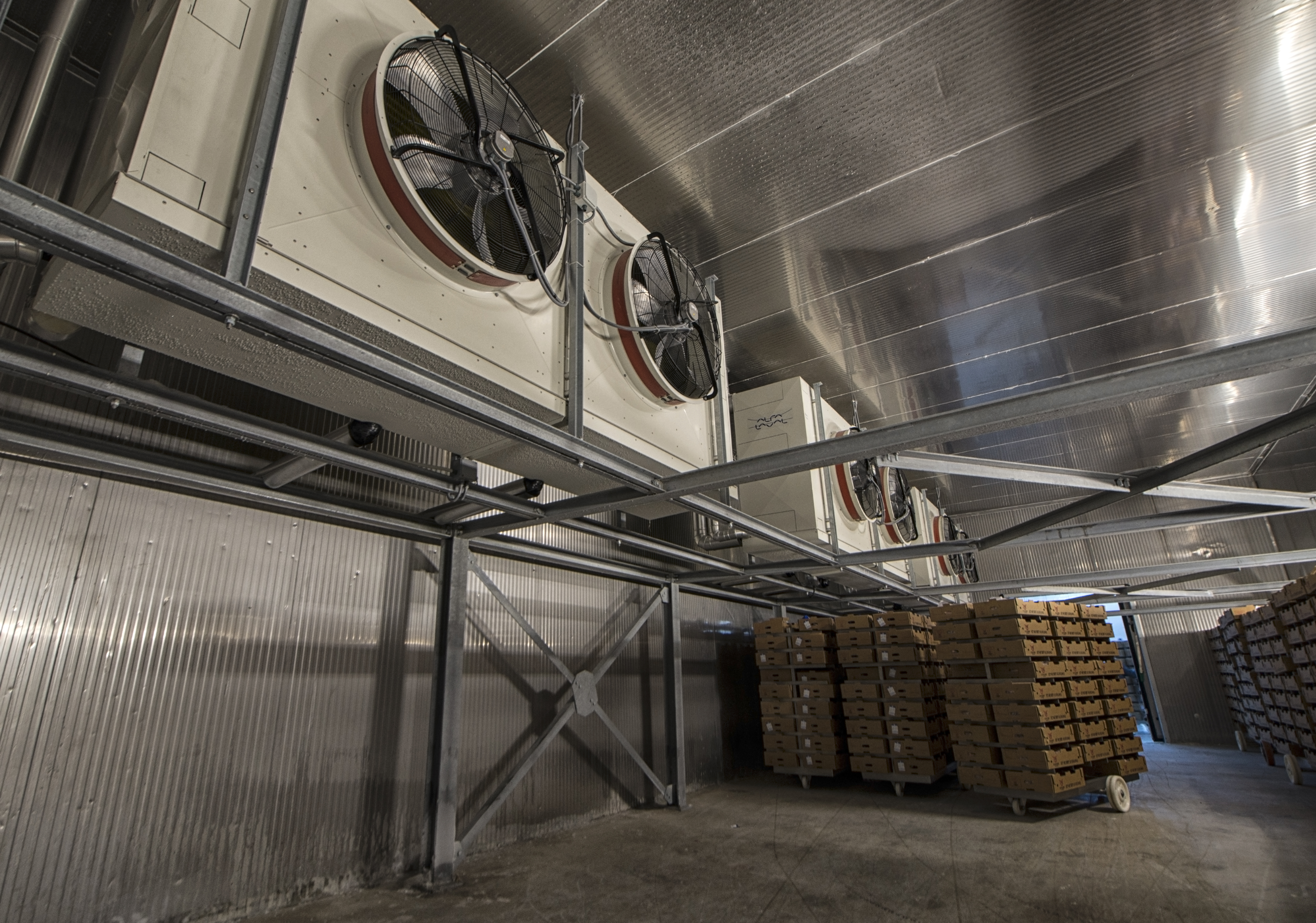
If frequent frost or ice buildup is observed on the air cooler, it may indicate that the door has been left open or that the stored products are losing moisture. These signs should be carefully monitored.
7. Temperature and Humidity Monitoring:
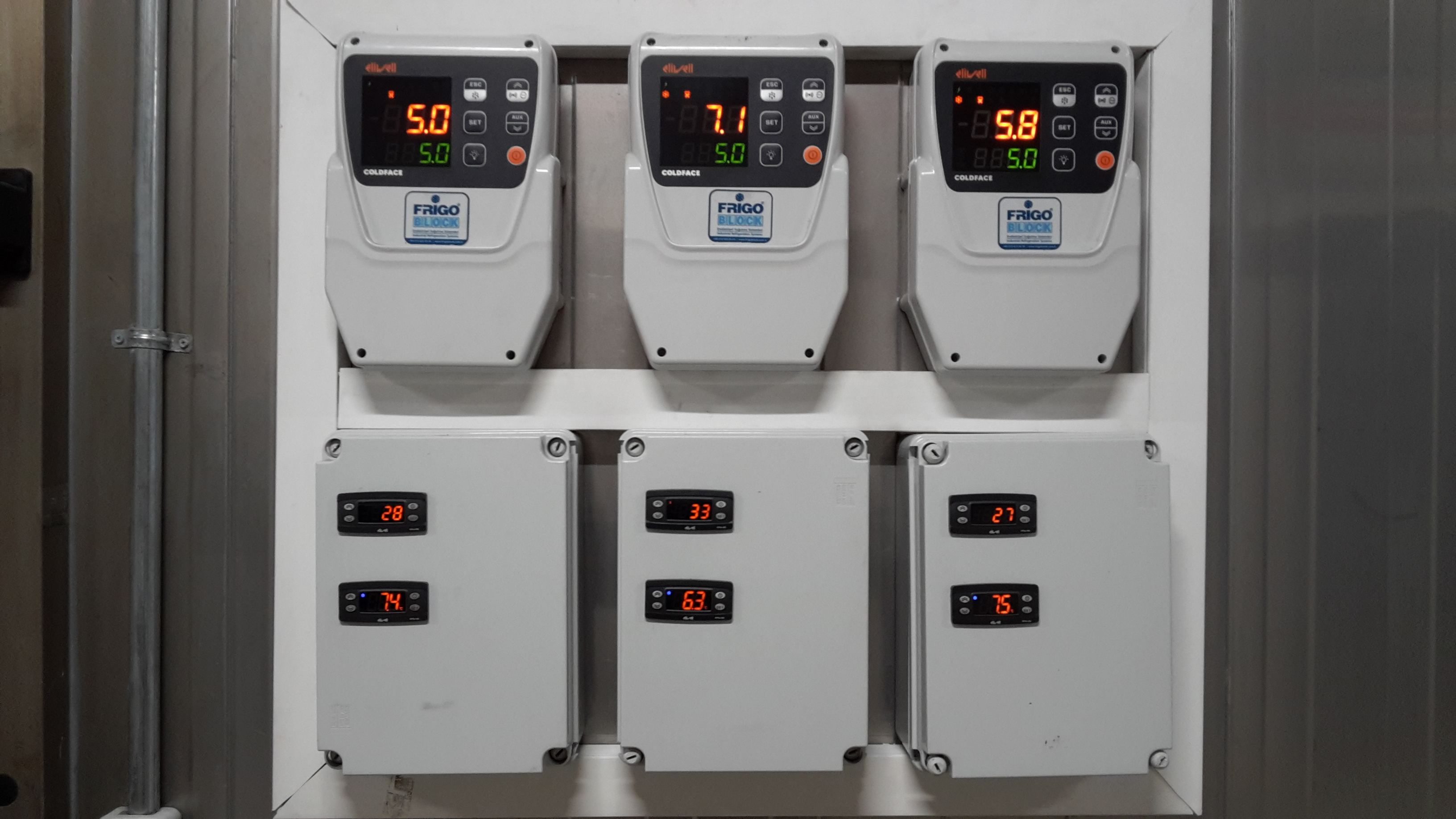
Temperature and relative humidity levels in all rooms should be continuously monitored and compared to ideal values. This is important for identifying potential issues early.
8. Daily Inspections:
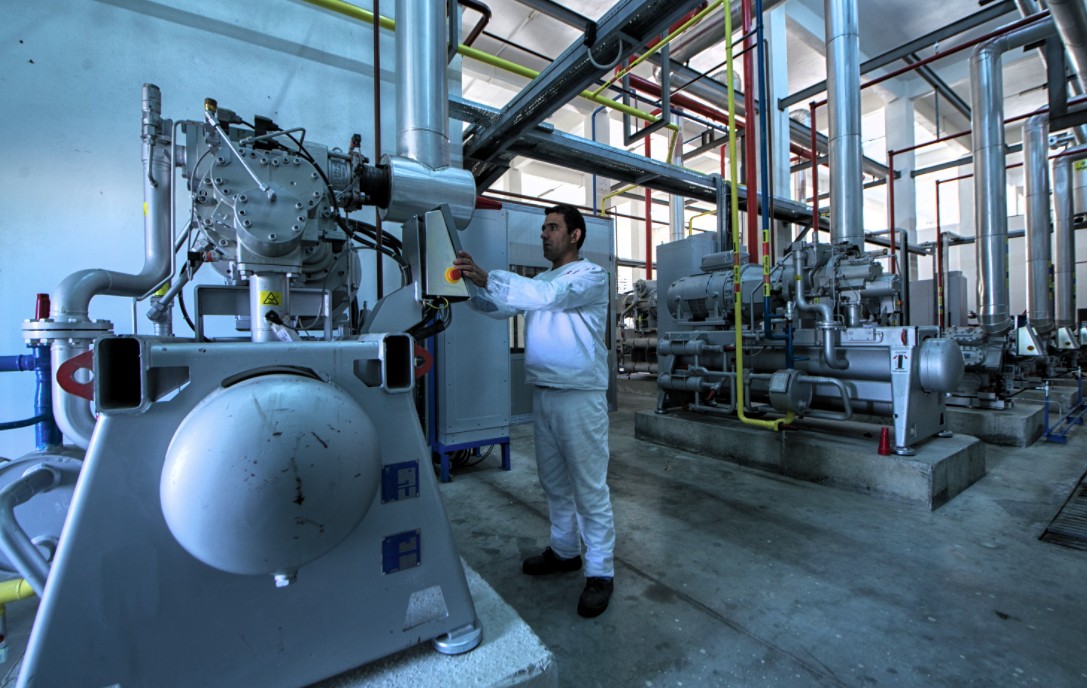
Daily checks of system components and stored products improve cold room efficiency and ensure that issues are resolved before they escalate.
Ensuring the efficient operation of your cold rooms not only allows for the safe storage of your products but also reduces operating costs through energy savings. By following these steps, you can improve the performance and longevity of your cold rooms.
Source: Prof. Dr. Y. Onur Devres “Food Safety Cold Chain”