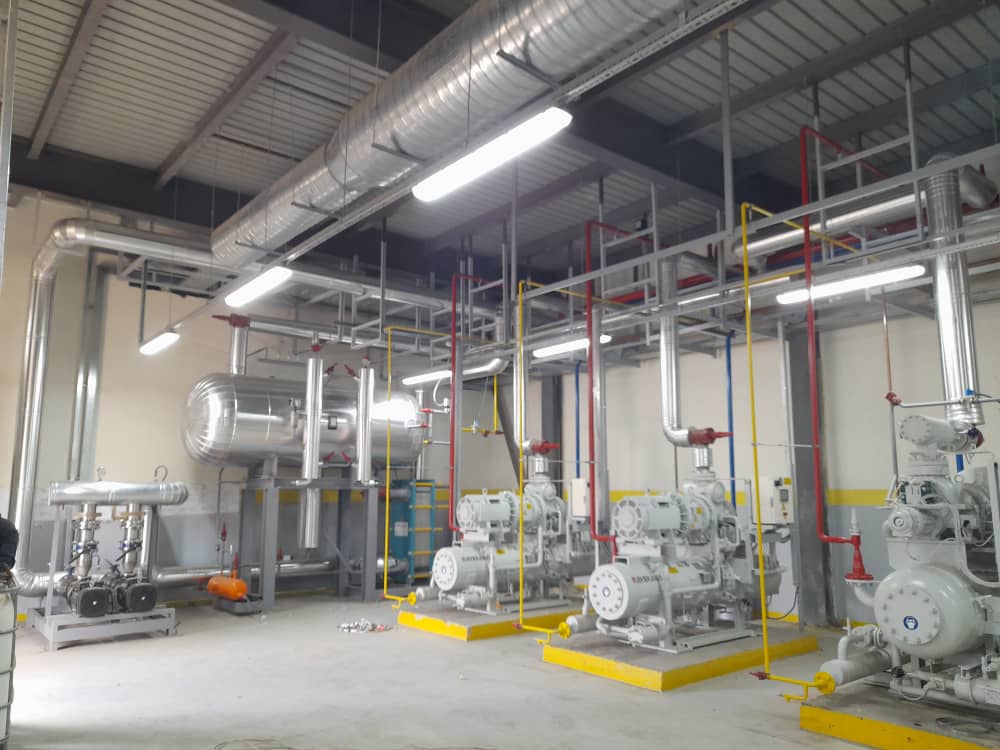
Industrial refrigeration systems are widely used in sectors ranging from food processing facilities to logistics warehouses. The choice of refrigerant is crucial as it affects energy efficiency, environmental impact, and safety. Among the most commonly used industrial refrigerants today are CO2 (Carbon Dioxide, R744) and Ammonia (NH3, R717). But which system is more advantageous? In what situations do they have disadvantages? Let's explore.
Environmentally Friendly: CO2 does not deplete the ozone layer and has a low global warming potential (GWP = 1), making it a sustainable option in line with environmental regulations.
High Heat Transfer Efficiency: CO2 has excellent thermal conductivity, allowing for more efficient operation.
More Compact Systems: Due to its high density, CO2 enables the design of systems with smaller pipe diameters, leading to space-saving solutions.
Safety: CO2 is non-toxic and non-flammable, posing lower safety risks compared to other refrigerants.
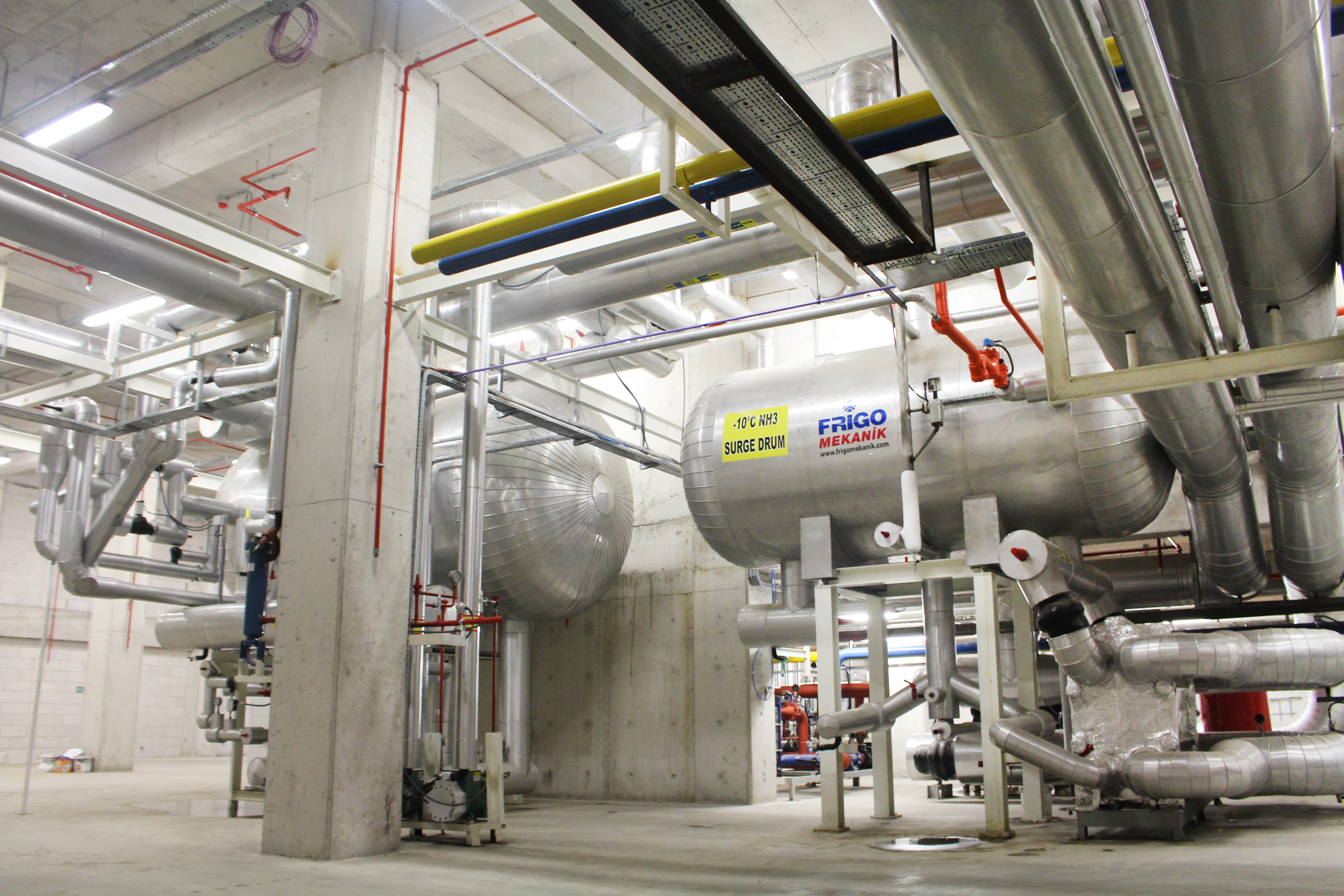
High Operating Pressure: CO2 systems operate at very high pressures, necessitating robust system design and durable components.
Higher Initial Investment Cost: Due to the need for high-pressure-resistant equipment, the upfront costs can be significant.
Efficiency Loss in Hot Climates: In warmer environments, CO2 systems may enter transcritical mode, leading to efficiency losses.
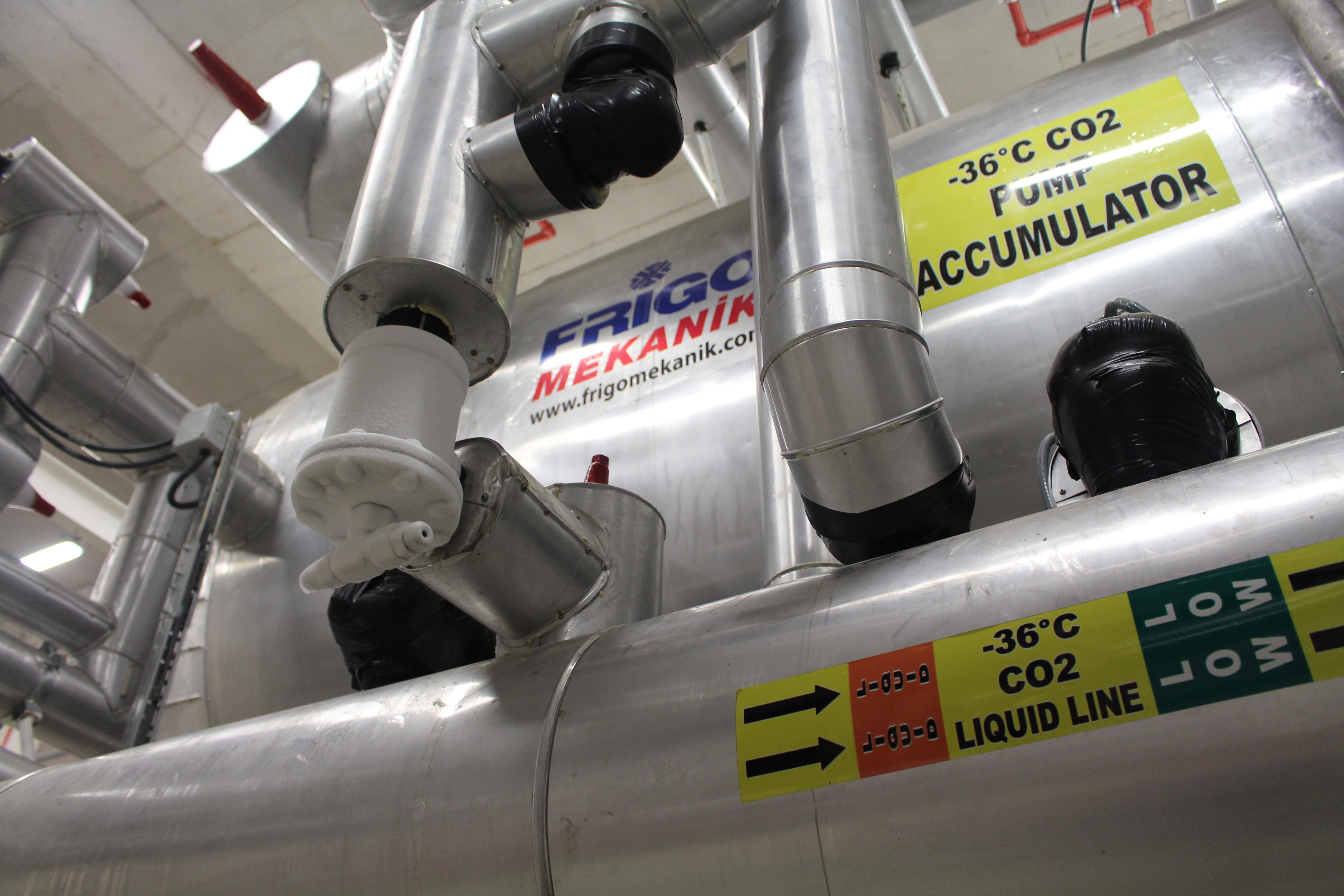
Superior Thermodynamic Efficiency: Ammonia is known for its high thermal capacity and low density, making it one of the most efficient refrigerants available.
Lower Operating Costs: Over the long term, ammonia refrigeration systems can reduce energy consumption and offer cost-effective cooling solutions.
Natural and Eco-Friendly: Like CO2, ammonia does not harm the ozone layer and has zero global warming potential (GWP = 0).
Long Service Life: With proper maintenance, ammonia-based systems can operate efficiently for decades.
Toxic and Flammable Risks: Ammonia is toxic if inhaled and can be flammable in high concentrations, requiring strict safety measures.
Regulatory Restrictions: Some regions impose limitations on ammonia usage, necessitating additional permits and compliance with regulations.
Corrosion Risks: Ammonia is reactive with certain metals, leading to potential corrosion issues that require careful material selection and maintenance.
Larger Space Requirements: Ammonia systems often require more space and larger equipment compared to CO2 systems.
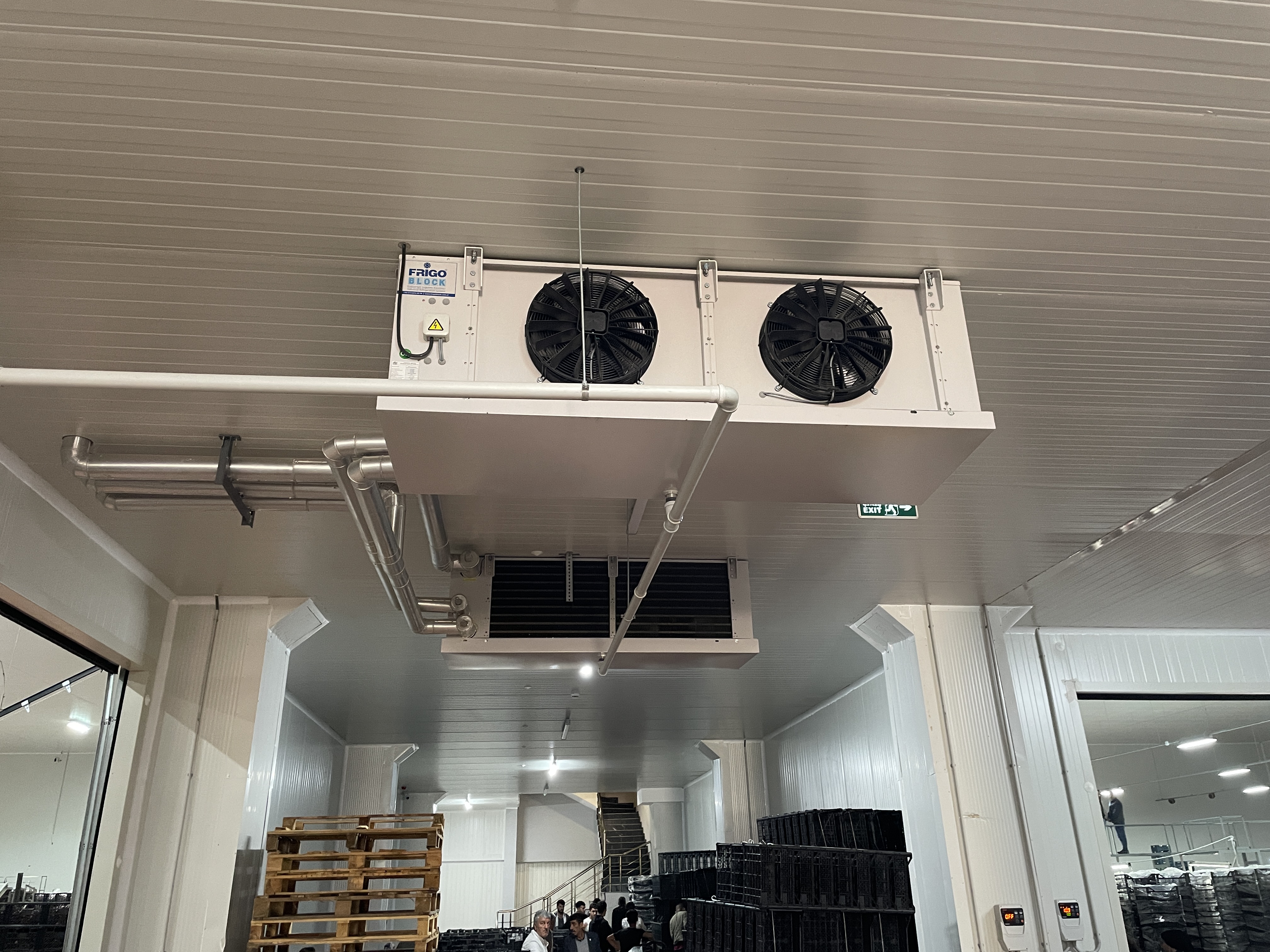
The choice between CO2 and ammonia refrigeration systems depends on the specific application and operational requirements:
CO2 systems are ideal for businesses looking for a compact, environmentally friendly solution with minimal safety risks.
Ammonia systems are better suited for large industrial facilities that prioritize long-term energy efficiency and can implement the necessary safety and maintenance measures.
The final decision should be made based on facility size, cost expectations, operating conditions, and regulatory requirements.